





Main Application Fields of Multilayer Printed Circuit Boards (PCBs)
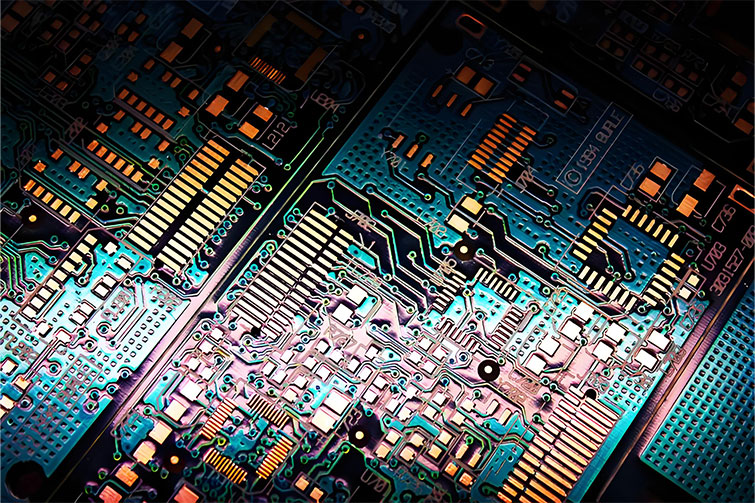
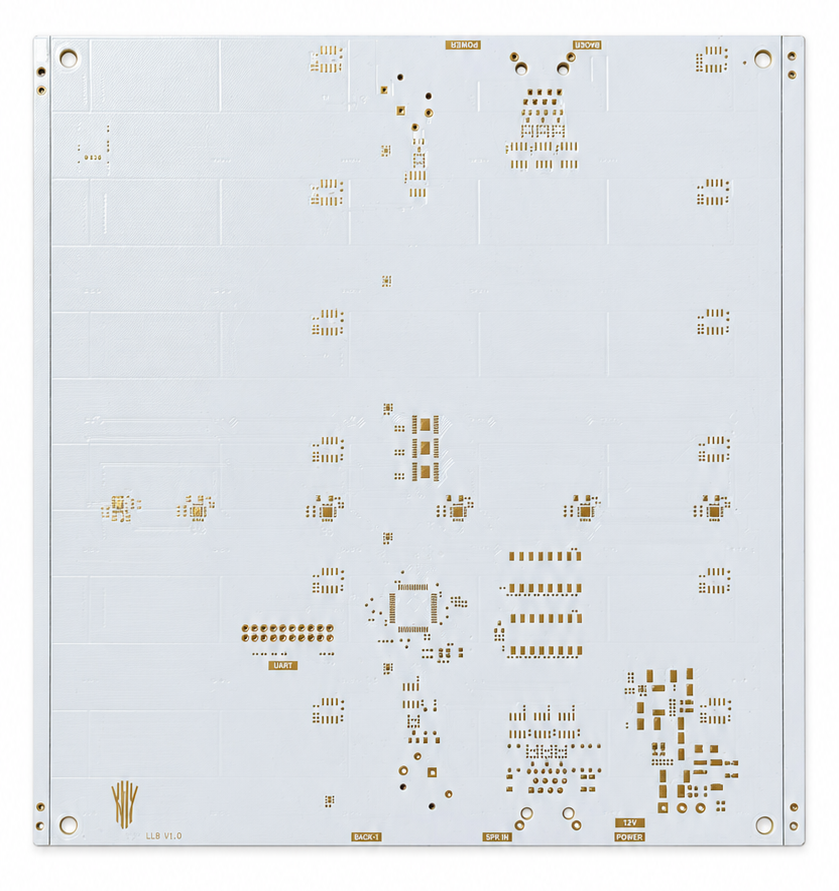
Multilayer printed circuit boards (multilayer PCBs) are advanced circuit boards composed of three or more conductive copper layers separated by insulating materials and laminated together into a single structure. Compared with single-sided or double-sided boards, multilayer PCBs provide significantly higher circuit density, improved electrical performance, better signal integrity, and enhanced reliability. As modern electronic devices become smaller, faster, and more powerful, multilayer PCBs have become essential across numerous high-technology industries. 🧠
1. Computer and Information Technology Equipment
One of the largest application areas for multilayer PCBs is computer hardware and IT infrastructure. Devices such as desktop computers, laptops, servers, graphics cards, motherboards, and storage systems require highly complex circuitry to manage processing, memory, power distribution, and data communication.
Multilayer boards allow designers to integrate numerous components within a compact space while maintaining stable signal transmission at high speeds. Dedicated power and ground planes reduce electromagnetic interference (EMI) and ensure reliable operation. Data centers and cloud computing systems also depend heavily on multilayer PCBs for performance and scalability. 💻
2. Telecommunications and Networking
Modern communication systems rely on high-frequency signals and massive data throughput, making multilayer PCBs indispensable. Equipment such as base stations, routers, switches, fiber-optic transmission devices, satellite communication systems, and mobile network infrastructure all use multilayer boards.
These applications require precise impedance control, minimal signal loss, and strong resistance to noise. Multilayer structures enable controlled routing of high-speed signals and provide shielding between layers, ensuring clear and stable communication. With the rapid expansion of 5G networks and future communication technologies, demand for multilayer PCBs in this field continues to grow. 📡
3. Consumer Electronics
High-end consumer devices such as smartphones, tablets, smartwatches, gaming consoles, cameras, and smart home systems contain extremely dense circuitry within compact enclosures. Multilayer PCBs make it possible to pack processors, memory chips, sensors, wireless modules, and power management systems into small spaces without sacrificing performance.
These boards also support advanced features such as high-speed data processing, wireless connectivity, and multimedia capabilities. As consumer expectations for thinner, lighter, and more powerful devices increase, multilayer PCBs play a central role in product innovation. 📱
4. Automotive Electronics
Modern vehicles incorporate sophisticated electronic systems for safety, efficiency, comfort, and entertainment. Applications include engine control units (ECUs), advanced driver-assistance systems (ADAS), infotainment systems, navigation modules, battery management systems for electric vehicles, and radar sensors.
Automotive electronics must operate reliably under harsh conditions, including temperature extremes, vibration, and electrical noise. Multilayer PCBs provide the durability, thermal performance, and signal stability required for these critical functions. The rise of electric and autonomous vehicles has further accelerated the adoption of multilayer boards in the automotive sector. 🚗
5. Medical Equipment
Medical technology demands extremely high reliability, precision, and safety. Multilayer PCBs are widely used in diagnostic imaging systems (such as MRI and CT scanners), patient monitoring devices, surgical equipment, infusion pumps, and portable medical instruments.
These devices often process sensitive signals and must meet strict regulatory standards. Multilayer designs allow for compact layouts, low noise levels, and dependable performance, which are essential for accurate diagnosis and patient safety. In life-support systems, failure is not an option, making high-quality multilayer PCBs indispensable. 🏥
6. Aerospace and Defense
Aerospace and military applications represent some of the most demanding environments for electronic systems. Avionics, radar systems, guidance controls, satellite electronics, and communication equipment all rely on multilayer PCBs.
These boards must withstand extreme temperatures, pressure changes, radiation, and mechanical stress while maintaining flawless performance. Multilayer PCBs offer high reliability, lightweight construction, and the ability to integrate complex functionality into compact systems—key advantages for aircraft and spacecraft design. ✈️
7. Industrial Automation and Robotics
Modern factories increasingly depend on automation, robotics, and intelligent control systems. Programmable logic controllers (PLCs), motor drives, industrial sensors, machine vision systems, and robotic controllers all utilize multilayer PCBs.
These applications require strong resistance to electrical noise, high power handling, and long operational lifetimes. Multilayer boards support complex control algorithms and real-time communication between machines, enabling efficient and precise manufacturing processes. 🏭
Conclusion
Multilayer PCBs have become a cornerstone of advanced electronic technology. Their ability to support complex circuitry, high-speed signal transmission, compact design, and superior reliability makes them essential in fields such as computing, telecommunications, consumer electronics, automotive systems, medical equipment, aerospace, and industrial automation.
As technology continues to evolve toward greater miniaturization, higher performance, and increased connectivity, the importance of multilayer PCBs will only continue to grow. They enable the sophisticated electronic systems that power modern society, from everyday smart devices to mission-critical infrastructure.
Tags: